
Why bother with a digital video camera when you can easily record video with smart phones, iPads, and tablets? Students should have learning experiences with a variety of technology, from high-tech to low-tech. Video cameras may have been more popular before we had wide access to smart devices, but they are not "a thing of the past." Digital video cameras still have a role in teaching and learning in the K-12 environment.
The R.A.T. model, created by Dr. Joan Hughes, can be applied when assessing the use of technology in education. The R.A.T. model "leads you to understand if digital technology is functioning as replacement, amplification, or transformation in educational practice" (Hughes, 2018).
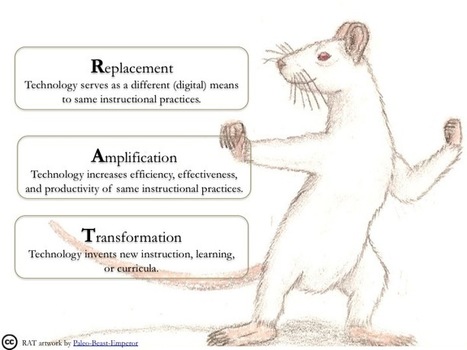
Replacement: same learning outcome with a different format
Amplification: learning task remains the same, but the technology increases the effectiveness and efficiency
Transformation: new learning outcomes are achieved
There are many learning activities to engage in with a digital video camera. Using the camera as a "replacement" to a traditional activity might include student presentations. Rather than have a student present a paper or project in from of the class, students may record themselves with the camera and play the recording for the class.
Using the digital video camera as "amplification" means the use of the camera somehow enhances or increases the efficiency, effectiveness, and productivity of the activity. If a student is able to view a recording of themselves giving a presentation or reading aloud, he or she may be able to self-evaluate their performance and create a plan for improvement. Another example of using a digital video camera to amplify practices would be to stream live video. Students at my school use a digital video camera to stream the school news live for everyone within the school building to view. Knowing they are streaming live, the students work hard to plan, prepare, and practice their news presentations.
Digital video cameras could also be used a "transformation" by being able to reach wider audiences. Students could record filed trips, interviews, or other special learning activities and share them with others who were not able to be present for that particular learning event. There may also be opportunities to use a time-lapse option on the camera so students can view the effects of the passage of time for science projects, such as a caterpillar forming a chrysalis and emerging as a butterfly. Another possibility would be for students to film the actual process of a particular project. They could go back to view the process and provide feedback for their teammates and learn from their experiences.
There are many other ways in which educators can incorporate the use of digital video cameras in teaching and learning in the K-12 environment. Here are two helpful links to get you started:
Using Digital Video in Teaching and Learning
This informative four page document discusses the hardware and software equipment needed to get started with digital video cameras in an educational setting. The process of filming, editing, and other techniques are explained, as well ideas for digital video camera use in the school setting.
10 Uses for Digital Cameras in the Classroom
Scholastic posted this blog by Meghan Everette explained ten creative uses for videos cameras in the classroom, from digital assessments to yearbooks gone digital.
Resources:
Hughes, J. (2018). R.A. T. Model. Retrieved from http://techedges.org/r-a-t-model/
Everette, M. (2015, Feb. 2). 10 uses for digital cameras in the classroom. Retrieved from https://www.scholastic.com/teachers/blog-posts/meghan-everette/10-uses-digital-cameras-classroom/
Using digital video in teaching and learning. (2004). Retrieved from http://www.mmiweb.org.uk/publications/ict/UsingDigitalVideo.pdf

It is good to know that digital cameras are not obsolete and still have uses today, even with a camera on just about every phone now. Another benefit to digital cameras is that they might have more storage space than phones, meaning longer videos, and new ones may have better video quality as well as better zooming capabilities, which could be very useful when recording field trips or other school activities. Also, the idea of streaming live recordings in a school is an interesting learning experience that I think could be very valuable and useful for school librarians, many of which are responsible for running their school’s news segments.
ReplyDeleteAlex, one of the things I like best about video cameras is not even the tech it offers, but the opportunities it creates for students to work together, be creative, and reflect on their own learning. We have a morning news program as a class at my school, and the crews are always around the building, brainstorming story ideas, filming, and interviewing. every time I pass them in the hall, I appreciate the way they are working together to produce their segment - there is so much more beyond the pushing of the camera button! Great post!
ReplyDeleteAlex, I have used digital cameras in my classroom for years and even with all of the digital technology there is in the world today, I find the digital camera a great resource. Many schools are one-to-one iPad schools, which is great, but the iPads only allow for a short video clip, whereas using a digital camera as a means for students to capture their understanding of a topic and then uploading it to a Google Classroom folder or other medium, can be an invaluable tool for students to present their understanding.
ReplyDeleteAlex, I like how you point out that digital video cameras are a useful tool for students to use for feedback on a performance or presentation. Any time a student can see themselves and critique themselves makes for better presentations in the future. Digital video cameras are an easy way to provide students with that fast feedback.
ReplyDeleteQuestion: in the age of iPads, do you think digital video cameras are obselete? Still useful?
Alex, I like how you described a way for the digital cameras to meet each area of the RAT model. I also believe there are benefits to using a digital video camera verses a smart device. This would also students to view, edit, and record longer videos that can be shared or reviewed.
ReplyDelete